Selling cookies at the farmers market or jam at a craft fair is one of the easiest ways to start a small food business, and most US states now have "cottage food" laws that let you do it from your home kitchen. The catch is labeling. Below is the checklist most cottage food sellers work from, in plain English. It is general information only, not legal advice; your state's rules are what count.
What is a cottage food label?
A cottage food label is the label on a food you made in your home kitchen and sell directly to customers under your state's cottage food law. Its job is to tell buyers what's in the food, who made it, and that it wasn't made in an inspected commercial kitchen.
The cottage food label checklist
| Item | What it looks like | Notes |
|---|---|---|
| Product name | "Chocolate Chip Cookies" | The common name of the food. |
| Business name and address | "Smith Family Kitchen, 12 Oak St, Townville, TN" | Some states allow a registration number in place of a street address. Check yours. |
| Ingredients | "Ingredients: flour (wheat flour, niacin…), butter (cream, salt), sugar…" | In order by weight, most to least, including sub-ingredients. |
| Allergens | "Contains: wheat, milk, eggs." | Name any of the 9 major allergens present. |
| Net quantity | "Net Wt 8 oz (227 g)" | Weight for solids, volume for liquids. Many sellers list both US and metric. |
| Home-kitchen notice | "Made in a home kitchen that has not been inspected by the [State] Department of Health." | Wording, and sometimes font size, is set by your state. |
| Date (some states) | "Made on 10/26/2026" | Required in some states, a good idea everywhere. |
Which allergens have to be on a food label?
US federal law recognizes nine major food allergens: milk, eggs, fish, crustacean shellfish, tree nuts, peanuts, wheat, soybeans and sesame (sesame was added on January 1, 2023). The usual way to show them is a "Contains:" line right after the ingredient list. Even when your state's cottage food rules don't spell this out, listing allergens protects your customers and you.
Watch the hidden ones: chocolate chips often contain milk and soy (lecithin), sprinkles can contain soy and wheat, and many store-bought sauces contain wheat.
How to list ingredients the right way
- Weigh each ingredient for one batch.
- List them from heaviest to lightest.
- For any ingredient that itself has ingredients (chocolate chips, margarine, cake mix), put its ingredients in parentheses after it, copied from its package.
- Use common names ("sugar," not "sucrose").
Net weight: how to measure and write it
Weigh the finished product without the packaging and write it in ounces or pounds, with grams in parentheses if you like: "Net Wt 12 oz (340 g)." For liquids like syrup, use fluid ounces: "16 fl oz (473 mL)."
Labels for other homemade products
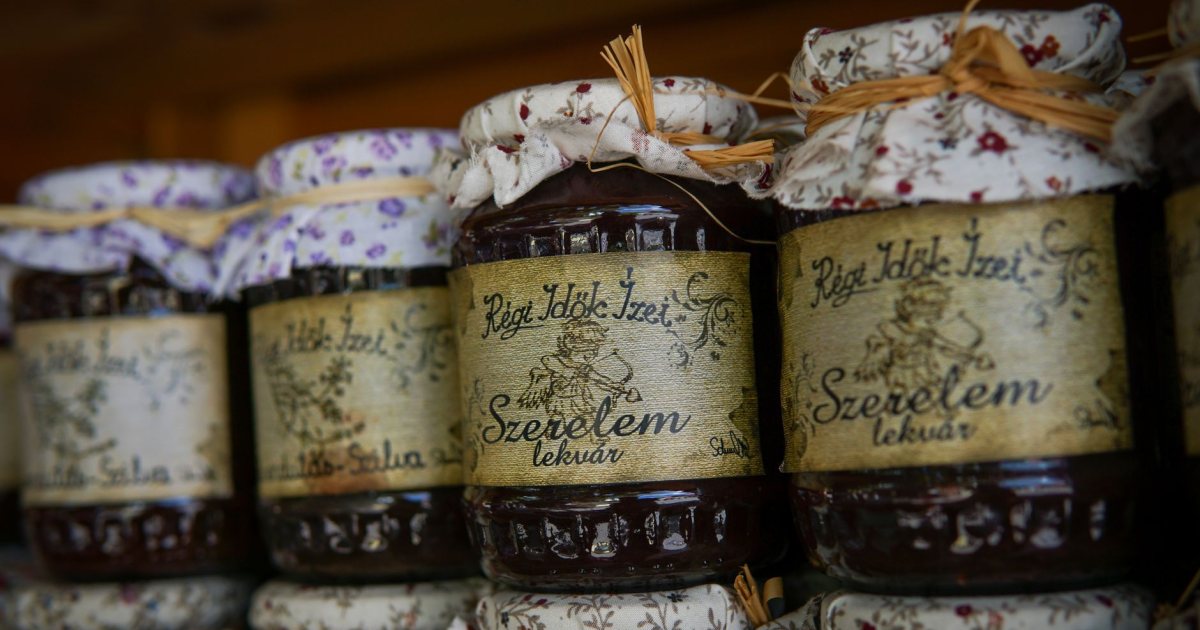
- Jams and canned goods: many states allow high-sugar jams but not low-sugar spreads, pickled vegetables or canned low-acid foods. Check before you sell.
- Dog treats: pet food usually falls under your state's agriculture department and feed rules, not cottage food rules.
- Soap and cosmetics: different rules entirely. Soap made only of fats and lye is treated differently from lotions and "moisturizing" products.
- Candles: no food rules, but warning labels ("Never leave a burning candle unattended") are standard practice.
- Eggs: egg cartons have their own requirements in most states, often including a "keep refrigerated" statement and safe-handling instructions.
The easy way to make your label
Printable Barn's product label maker walks you through each type of product: pick what you sell, type your details or upload a logo, tick your allergens and it writes the "Contains:" line, type a weight and it adds the metric conversion, and pick your state to fill in a suggested home-kitchen notice. It prints on standard Avery sheets or a thermal label printer, and every size has a free alignment test sheet.
Please note: Printable Barn is not a law firm. The label maker and this article offer general suggestions only. Check your label with your state department of agriculture or health, your local health department, or an attorney before you sell.