Home β€Ί Blog β€Ί Teaching + Homeschool

How to Make a Homeschool Schedule That Actually Works

By the Printable Barn team Β· Β· 2 min read

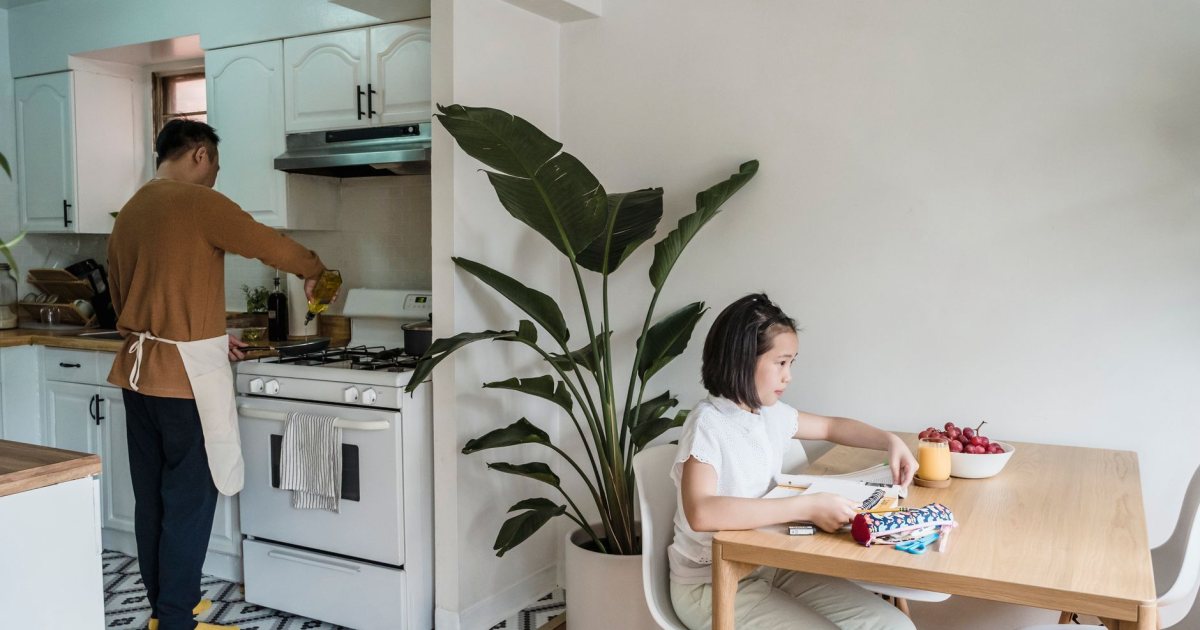
Child doing schoolwork at a kitchen table
Photo: Annushka Ahuja on Pexels
Quick answerTo make a homeschool schedule, start with what you want to finish this year, divide it into weekly goals, and fit those into a simple daily rhythm (core subjects in the morning, lighter subjects and reading in the afternoon). Use time blocks instead of exact times, plan one catch-up day a week, and keep a record of attendance and work as you go.
βš–οΈ Please read: Homeschool laws (notification, required subjects, number of days, testing and record keeping) differ by state. This article is general information, not legal advice; check your state's education department or a state homeschool organization for the rules that apply to you.

Key takeaways

  • Plan backward: year, then term, then week, then day.
  • Use blocks and a routine, not minute-by-minute times.
  • Do the hardest subjects when kids are freshest, usually mornings.
  • Build in a flex or catch-up day so one bad day doesn't wreck the week.
  • Homeschool record rules vary by state, so check yours.

The perfect color-coded homeschool schedule usually lasts about a week. A schedule that works is simpler: it knows what has to get done, leaves room for real life, and makes it obvious what to do next.

Step 1: Decide what this year needs to cover

List each subject and what "done" looks like: finish a math book, read 20 books, learn the states and capitals. If you use a curriculum, count its lessons.

Step 2: Turn that into a weekly goal

Divide by the number of school weeks. A 160-lesson math book over 36 weeks is about 4 to 5 lessons a week. Most states that set a requirement use 180 days, but rules vary, so check your state's homeschool law.

Step 3: Pick a daily rhythm

BlockWhat goes here
Morning basket (15 to 20 min)Read-aloud, memory work, calendar, Bible or poetry
Core block 1Math (when brains are freshest)
Core block 2Reading, writing, spelling
Lunch and outsideA real break
Afternoon loopScience, history, art, music, rotated by day
Independent timeReading, projects, worksheets, chores

Sample schedules by age

Kindergarten to 2nd grade (about 1 to 2 hours)

  • Read-aloud and calendar
  • Phonics or reading (15 to 20 min)
  • Math (15 to 20 min)
  • Handwriting (10 min)
  • Afternoon: play, nature walk, art

3rd to 6th grade (about 3 to 4 hours)

  • Morning basket
  • Math (30 to 45 min)
  • Language arts (45 min)
  • Science or history (30 to 45 min, alternating)
  • Independent reading (30 min)

Step 4: Use a loop for the extras

Instead of art on Tuesday and music on Thursday (which get skipped when Tuesday goes sideways), make a list and do the next thing on the list. Nothing falls behind; you just pick up where you left off.

Step 5: Plan a flex day

Schedule four days and keep the fifth for catch-up, field trips, co-op or appointments.

Step 6: Keep simple records

Track attendance days, subjects covered, books read and a few work samples. Some states require records or portfolios, and good records help if your child returns to school. A weekly planner page with an attendance tracker makes this a two-minute habit.

Note: homeschool laws (notification, required subjects, days, testing, records) differ by state. Check your state education department or a state homeschool organization.

Disclaimer: Homeschool laws (notification, required subjects, number of days, testing and record keeping) differ by state. This article is general information, not legal advice; check your state's education department or a state homeschool organization for the rules that apply to you.

Printables that go with this

Every one has a free sample page, so you can print one and try it first.

πŸ“š Need lots of these? All-Access gets you every printable on the site for $49 a year. See membership → Schools & facilities →

Frequently asked questions

How many hours a day should homeschool take?

Often less than people expect: about 1 to 2 hours for young children and 3 to 4 hours for upper elementary, because one-on-one teaching is efficient. Requirements vary by state.

Should a homeschool schedule use exact times?

Most families do better with blocks and a routine (math after breakfast, reading after lunch) than with exact clock times.

How many days a year is homeschool?

Many states that set a requirement use 180 days, but rules vary. Check your state's homeschool law.

What records should homeschoolers keep?

Commonly attendance, subjects and materials used, books read, and samples of work. Some states require specific records or annual assessments.

About Printable Barn. We make low-cost, instant-download printables (large-print puzzles, bingo, party games, worksheets, planners and Sunday school pages) and free tools like an online bingo caller, a logo maker and a product label maker. Every puzzle is computer-checked, and every product has a free sample page. Questions: hello@printablebarn.com.

Keep reading