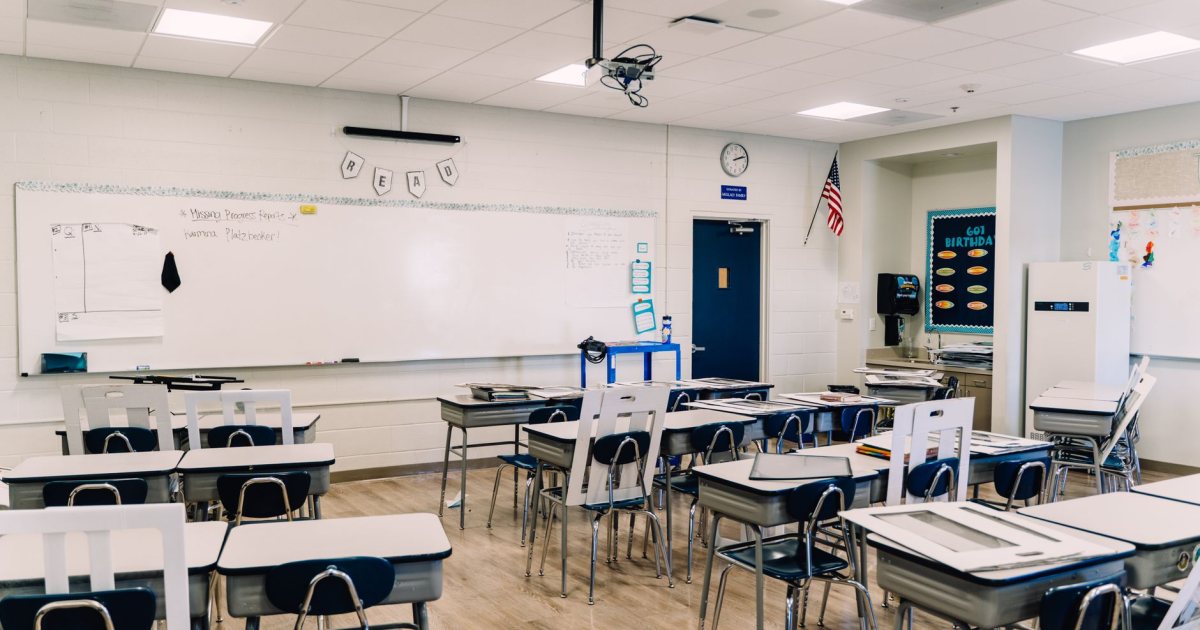
Second graders come back from winter break with sleepy routines and a few skills that slipped while they were away. Regrouping is a common one. So are telling time, counting coins and vowel patterns. The first week back is the best time to rebuild habits and find out who needs reteaching before you push into new third-quarter content.
Here is a practical plan for that first week, what to review, and how to keep it low-prep. If you want to try some pages first, the free teachers pack costs nothing.
Day one: reteach routines as if it were August
Students do not forget everything, but the details slip: where finished work goes, how to line up, what a quiet signal means. Spend real time on procedures on the first day back.
- Model and practice. Line up, walk the hall, transition to centers, clean up. Practice each one, then practice it again.
- Restate expectations. Keep the list short and positive, and post it where everyone can see it.
- Reset your reward system. A fresh sticker chart or a new whole-class goal gives everyone a clean start. The classroom management kit has sticker charts, brag tags, punch cards and a 50-space class goal chart if you want to refresh what is on the wall.
- Set new-year goals. Have students write or draw one thing they want to get better at in January. It doubles as a writing sample.
What 2nd graders most often need to review
These are the skills that tend to need a refresher after a long break. You do not need to reteach every unit, just touch each skill often in short doses.
| Skill | Quick check | What to watch for |
|---|---|---|
| Two-digit addition and subtraction with regrouping | Three stacked problems | Subtracting the smaller digit from the larger instead of regrouping |
| Place value | Write a number in expanded form | Confusing tens and ones in numbers like 406 |
| Telling time | Read a clock to five minutes | Mixing up the hour and minute hands |
| Counting coins | Count a mixed set of coins | Starting with pennies instead of the largest coins |
| Fact fluency within 20 | One-minute drill | Counting on fingers for every fact |
| Capitals and punctuation | Fix one sentence | Lowercase names and missing end marks |
| Short and long vowels | Sort six words | Silent e and vowel team patterns |
Use morning work as daily review
Daily review pages let you revisit every skill above without giving up lesson time. Students work while you take attendance and check in, and you see in minutes who remembers what.
The January Back-from-Break Review for 2nd grade has 20 daily pages. Each day mixes stacked regrouping problems, a clock to read, coins to count, place value and a one-step word problem with a sentence to fix, a noun or verb sort, a vowel sort and a short reading. A two-page answer key covers all 20 days, and the winter theme has no holiday-specific pages, so it fits the whole month.
Turn morning work into data
- Check the first three days closely. Make a quick list of who missed regrouping, time or money.
- Look for patterns, not single mistakes. A child who misses every regrouping problem needs a small group; a child who missed one probably rushed.
- Re-check those students at the end of week two.
Build fact fluency back up
Fact fluency is often the first thing to slip over a break. Short daily drills in strategy order help more than random mixed facts, because each set builds on the one before.
Strategy-based addition and subtraction fluency within 20 includes 20 one-minute drills that move from adding and taking away 0, 1 and 2 through doubles, make 10 and teen facts to mixed facts within 20. Every drill has a strategy tip, and students color a bar graph to track their own progress, which second graders like.
Launch no-prep winter centers in week one
Centers let you pull the small groups your morning work data points to. The key is centers students can run without you: clear direction cards, task cards and a recording sheet.
- Introduce one center a day. Model it with the whole class before it goes into rotation.
- Keep groups small. Four or five students per center is easier to manage than larger groups.
- Use recording sheets. They keep students accountable and give you something to check quickly.
- Put an answer key at one center. Older second graders can self-check, which frees you up.
Winter math and literacy centers for 2nd grade include six centers with 16 task cards each: Snowball Sums (regrouping), Mitten Arrays (arrays and skip counting), Hot Cocoa Café (coins), Snowy ABC Order, Compound Word Snowmen, and Synonym or Antonym. Each center has a direction card, a recording sheet and an answer key.
Get reading back on track
Reading stamina also drops over a break. Start with shorter passages and build back up over two weeks. Ask for text evidence from the start, even if the answers are short: "How do you know? Show me where it says that."
2nd grade winter reading comprehension passages give you ten passages, seven nonfiction and three fiction, including how a snowflake forms, how animals get through winter and penguin dads on the ice. Each comes with five questions: three multiple-choice, one written answer with evidence, and one vocabulary-in-context question.
Have sub plans ready
Winter illness often goes around in January, and that includes teachers. A ready set of sub plans means an unexpected day out does not throw your week off. Emergency sub plans for 2nd grade include three full no-prep days with sub binder forms and answer keys, and they are not tied to a season, so you can print them now and leave them in your sub tub all year.
A sample first-week schedule
| Day | Focus |
|---|---|
| Day 1 | Routines, procedures, reward reset, new-year goals, first morning work page |
| Day 2 | Morning work, fluency drill, introduce the first two centers |
| Day 3 | Morning work, short reading passage, introduce two more centers |
| Day 4 | Morning work, last two centers, first small groups from your notes |
| Day 5 | Full center rotation with small groups, fluency drill, celebrate the week |
The goal by Friday is simple: routines back in place, a short list of who needs which reteach, and centers running so you can teach those groups. Start with the free teachers pack and add pieces as you need them.
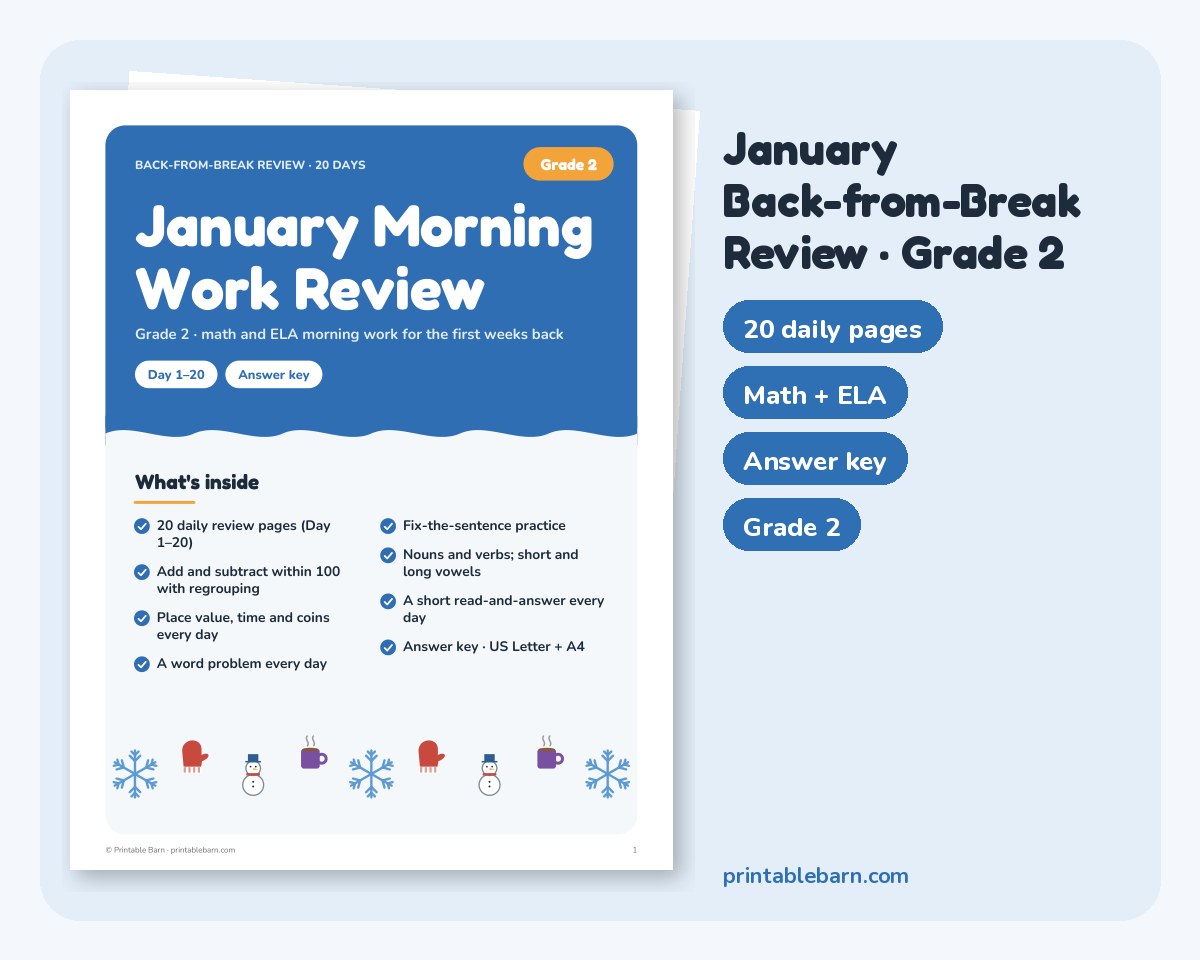 2nd Grade January Back-from-Break Review: 20 Days of Math and ELA Morning Work with Answer Key
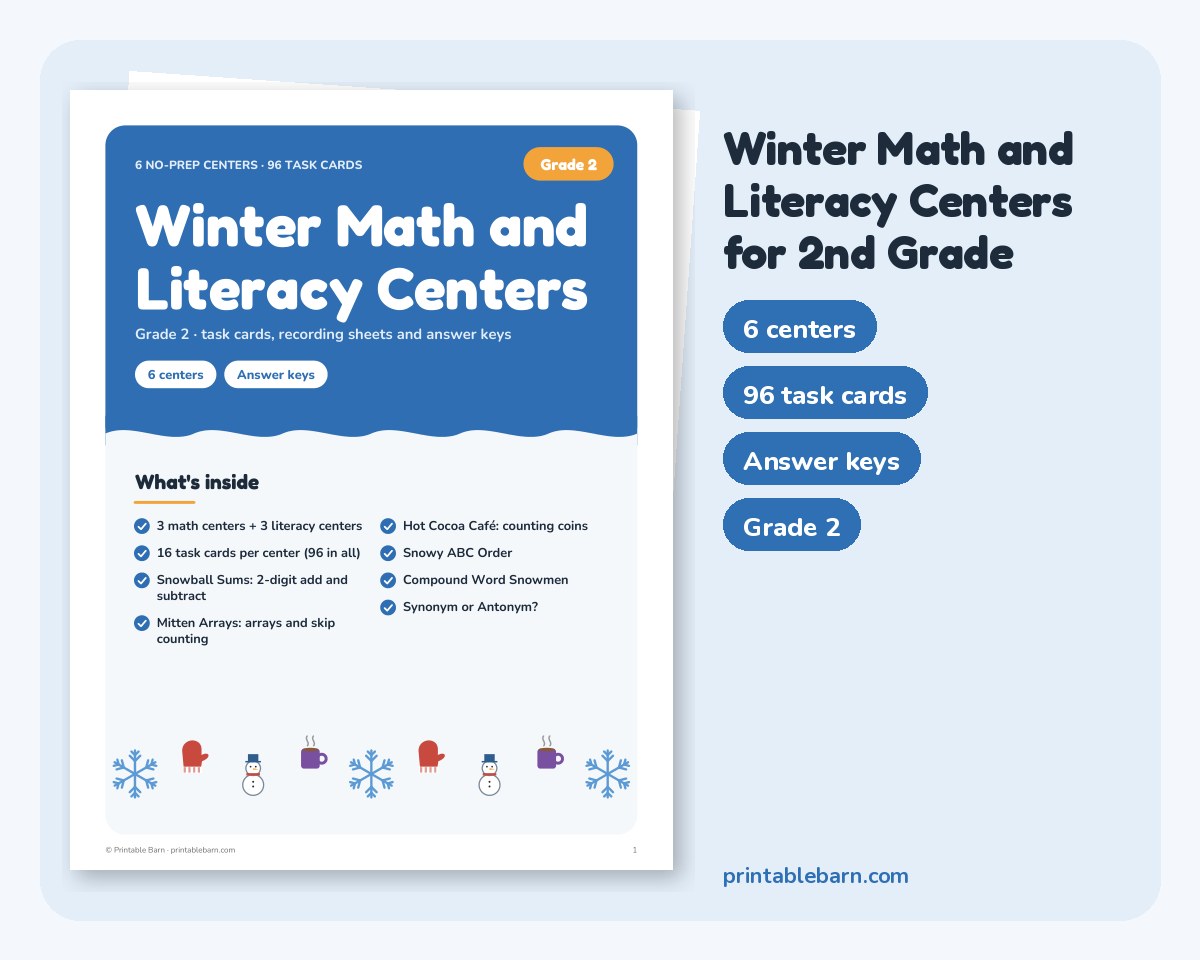 Winter Math and Literacy Centers for 2nd Grade: 6 No-Prep Centers with Task Cards, Recording Sheets and Answer Keys
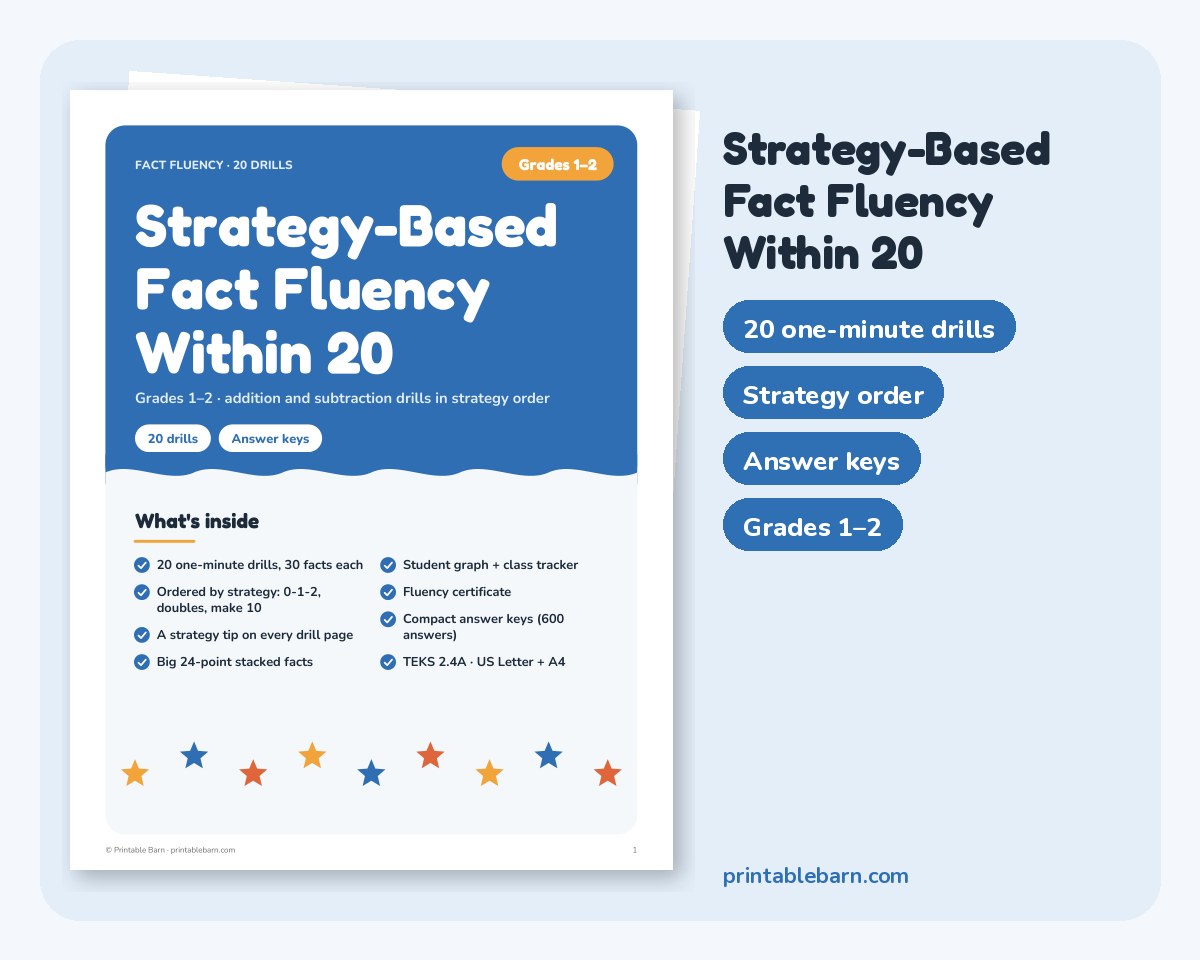 Strategy-Based Addition and Subtraction Fluency Within 20: 20 Drills in Fact-Strategy Order with Strategy Tips and Answer Key (Grades 1–2)
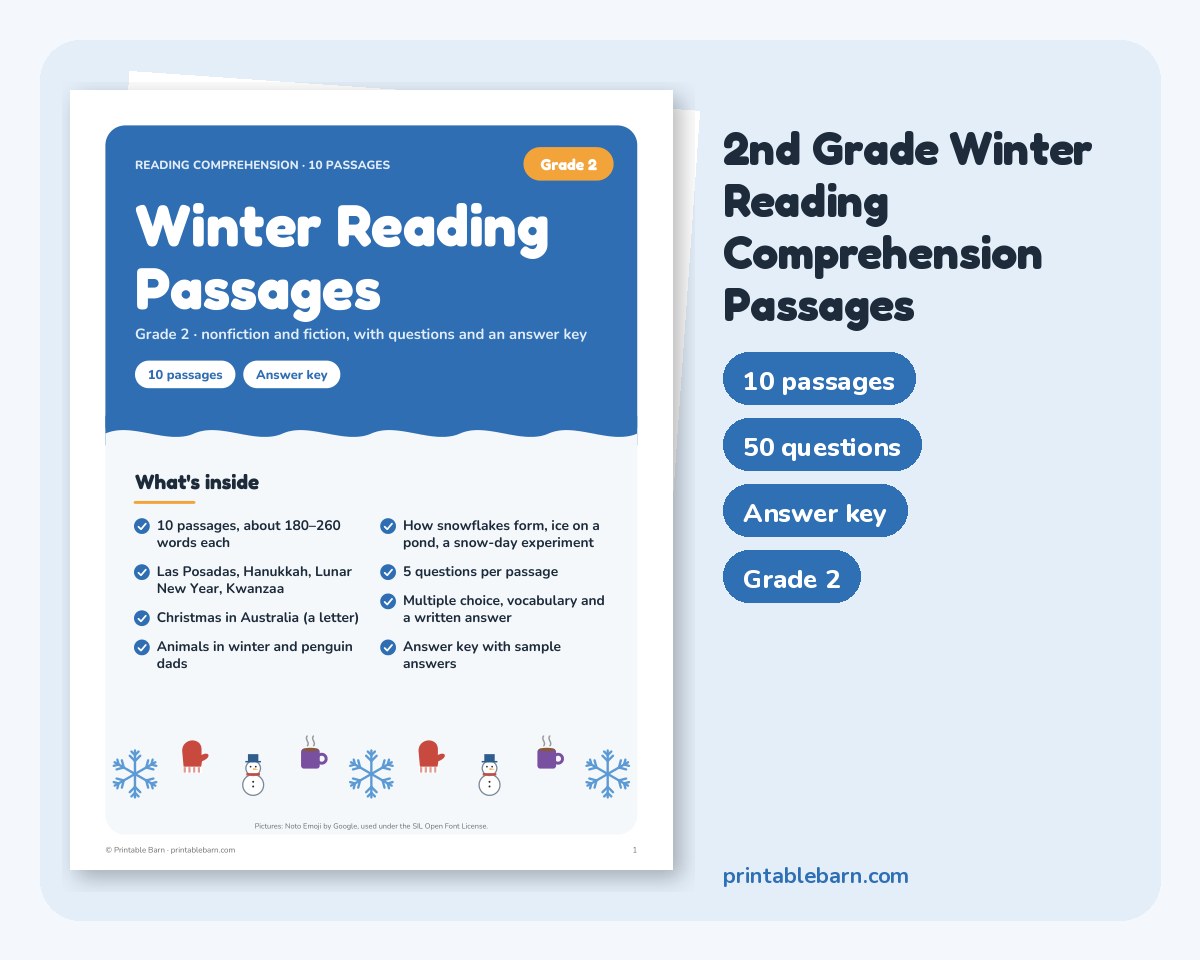 2nd Grade Winter Reading Comprehension Passages: 10 Nonfiction and Fiction Passages with Questions and Answer Key
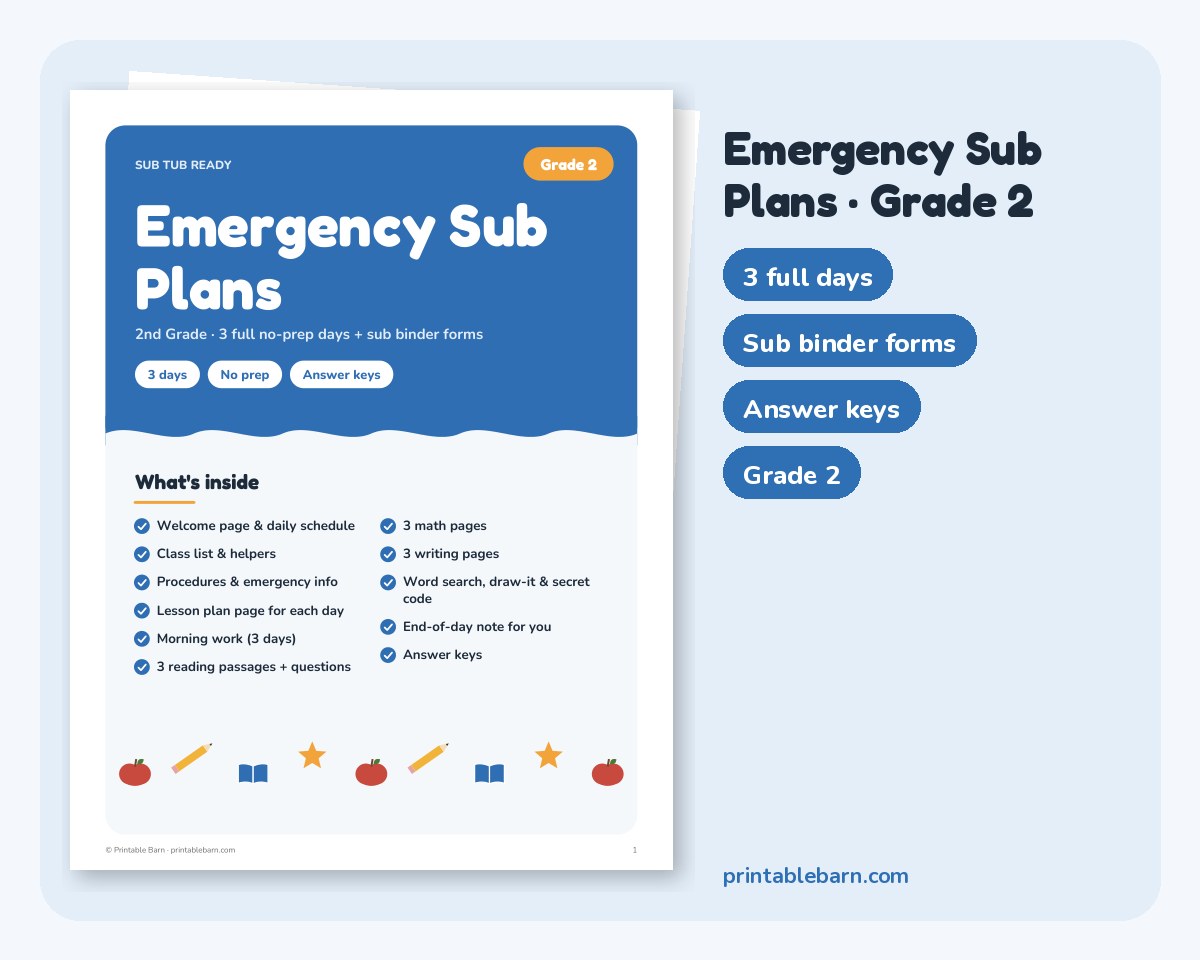 Emergency Sub Plans for 2nd Grade: 3 Full No-Prep Days with Sub Binder Forms & Answer Keys
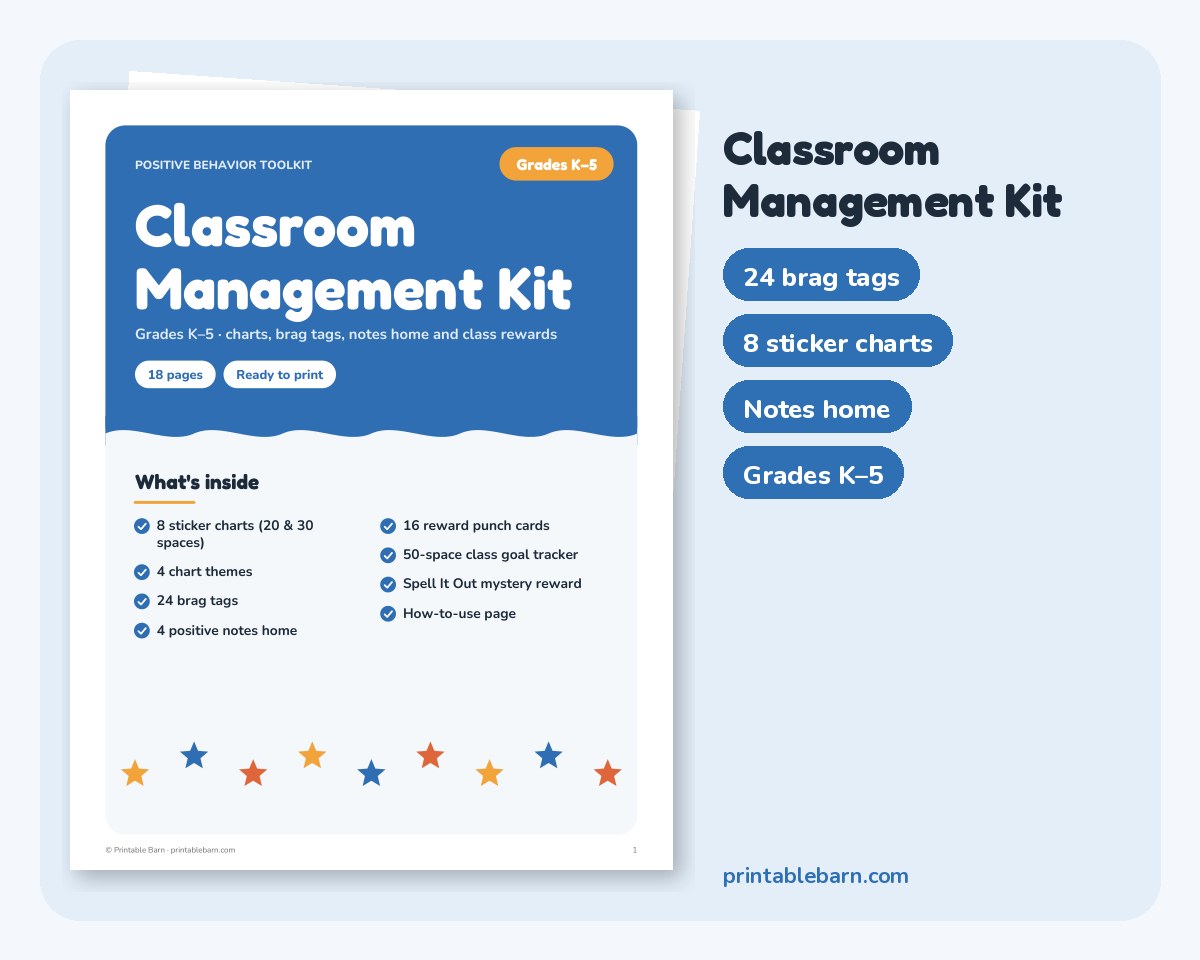 Classroom Management Kit: Sticker Charts, 24 Brag Tags, Notes Home, Punch Cards & Class Reward Tracker (Grades K–5)