Quick answerToddlers (2 to 3) can put toys away and help wipe spills; preschoolers (4 to 5) can set the table and feed pets; ages 6 to 8 can make their bed, sort laundry and empty the dishwasher; ages 9 to 12 can vacuum, cook simple meals and do their own laundry. Teach each chore step by step, then use a chore chart so it becomes routine.
⚖️ Please read: Supervise children with chores involving cleaning chemicals, sharp tools, lawn equipment, appliances or stoves, and follow age guidance on product labels. Every child develops differently.
Teach a chore by doing it together, then watching, then letting them do it.
Expect kid-level results, not perfection.
A visible chore chart reduces reminders.
Every child is different; adjust to your child.
Chores teach kids responsibility and that everyone helps the household run. The key is matching chores to what your child can actually do.
Chores by age
Age
Chore ideas
2 to 3
Put toys in bins, put clothes in hamper, wipe small spills, help feed pets
4 to 5
Set the table, make bed (simply), water plants, match socks, put away groceries on low shelves
6 to 8
Make bed, empty dishwasher, sort laundry, sweep, take out recycling, pack school bag
9 to 10
Vacuum, fold and put away laundry, clean bathroom sink, load dishwasher, help cook
11 to 12
Do own laundry, cook simple meals, help with yard work, clean bathroom, make simple lunches
These are general guidelines; your child may be ready earlier or later.
How to teach a new chore
I do, you watch: show the steps slowly.
We do: do it together.
You do, I watch: give gentle tips.
You do: they own it.
Should you pay for chores?
Families do it differently. Some keep basic "family chores" unpaid and pay for extra jobs; others give an allowance tied to chores; others separate allowance and chores entirely. Pick one approach and stay consistent.
Disclaimer: Supervise children with chores involving cleaning chemicals, sharp tools, lawn equipment, appliances or stoves, and follow age guidance on product labels. Every child develops differently.
Printables that go with this
Every one has a free sample page, so you can print one and try it first.
Set the table, make their bed simply, feed pets, water plants, match socks and put toys and groceries away on low shelves.
What chores should a 10-year-old do?
Vacuum, fold and put away laundry, load the dishwasher, clean a bathroom sink, take out trash and help cook.
Should kids get paid for chores?
It's a family choice. Many families keep basic chores unpaid and pay for extra jobs, or tie an allowance to chores.
How do I get my kids to do chores without nagging?
Teach the chore well, keep a visible chore chart, set a routine time, and check in consistently.
About Printable Barn. We make low-cost, instant-download printables (large-print puzzles, bingo, party games, worksheets, planners and Sunday school pages) and free tools like an online bingo caller, a logo maker and a product label maker. Every puzzle is computer-checked, and every product has a free sample page. Questions: hello@printablebarn.com.

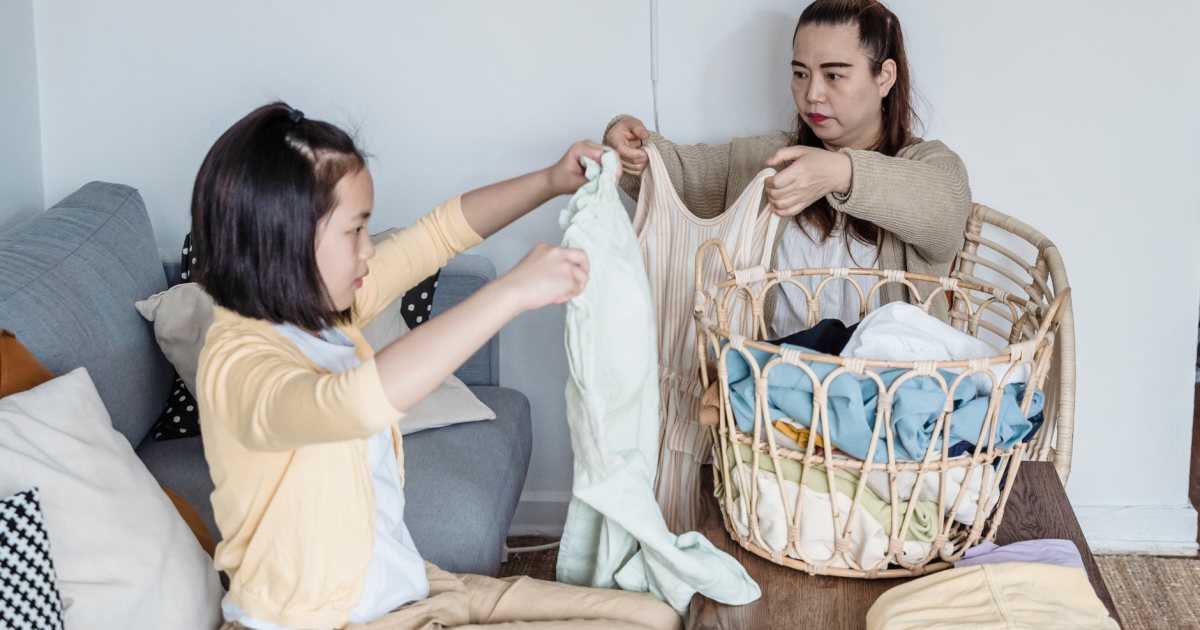
 Kids Chore Chart & Reward Chart
 Cleaning Schedule: Daily, Weekly & Monthly Checklists
 Monthly Habit Tracker (12 Pages)